German Tech 10.5 kg Heavy Duty Tempered Glass Front Review

Last updated:
Read our German tech 10.5 kg heavy duty tempered glass front review to discover if this durable washing machine is the right choice for your laundry needs.
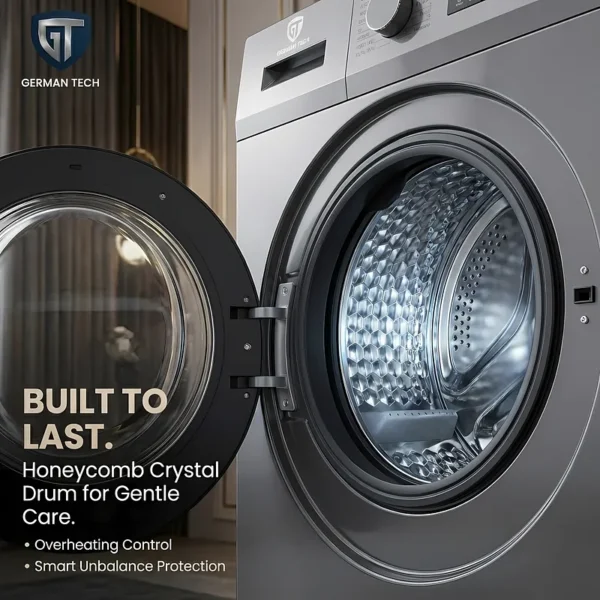
German Tech 10.5 kg heavy duty tempered glass front review shows how a mid‑range washing machine can fit into a typical Nepali home without breaking the bank, and at NPR 69,990 you’ll see why the price is competitive. In this article you’ll learn exactly what the German Tech 10.5 KG Heavy Duty tempered glass Front can do, how to decide if a 10.5 kg capacity is right for your family, why spin speed matters for drying time, what the energy‑saving motor technology really means, and which extra features are worth the extra cost. This straightforward guide will help you choose a machine that matches your laundry habits and budget. You can see the German Tech 10.5 KG Heavy Duty tempered glass Front Loading on Nova Hub.
Browse all Washing Machines in Nepal on Nova Hub.
German Tech 10.5 kg Heavy Duty Tempered Glass Front Review
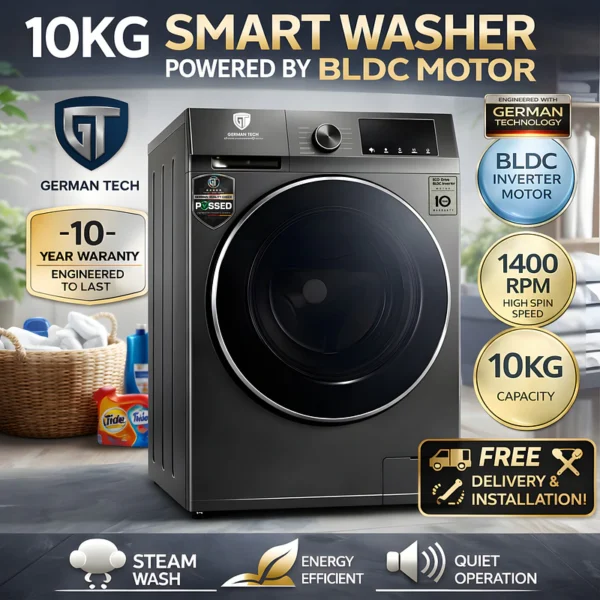
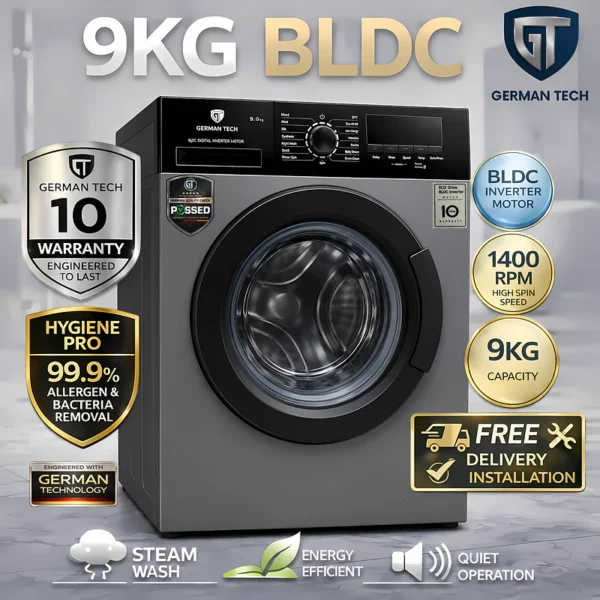
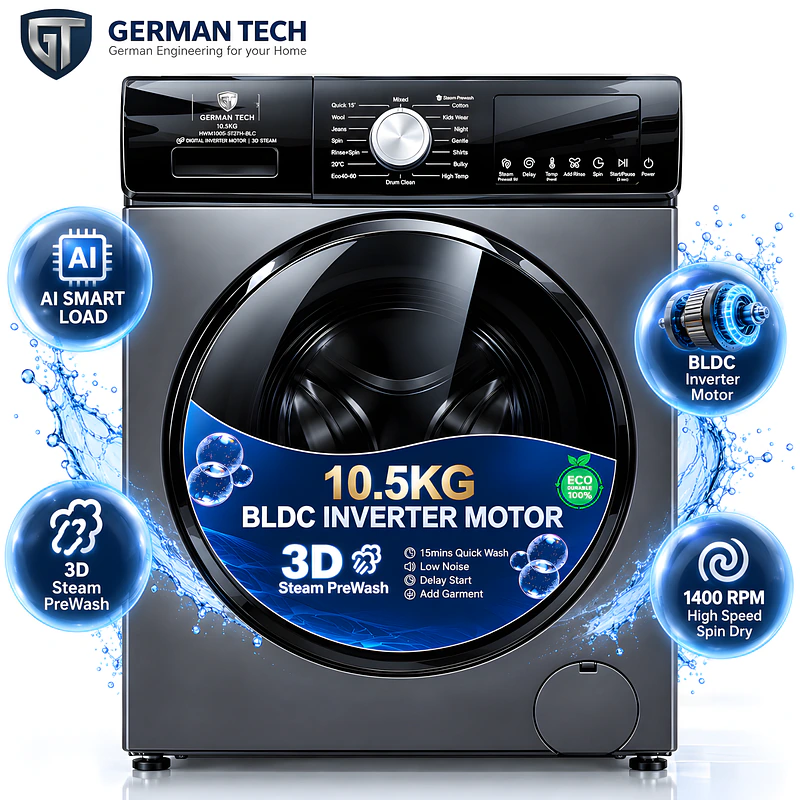
German Tech’s 10.5 kg Heavy‑Duty front‑load washer is positioned as a “smart” laundry solution for Nepali families that need to handle everything from daily shirts to bulky winter blankets. At NPR 69,990 (down from NPR 98,422) it sits in the mid‑range of Nova Hub’s current selection, which spans NPR 22,990 to NPR 84,990.
What matters most when you compare this model to others is how its core specifications translate into everyday use:
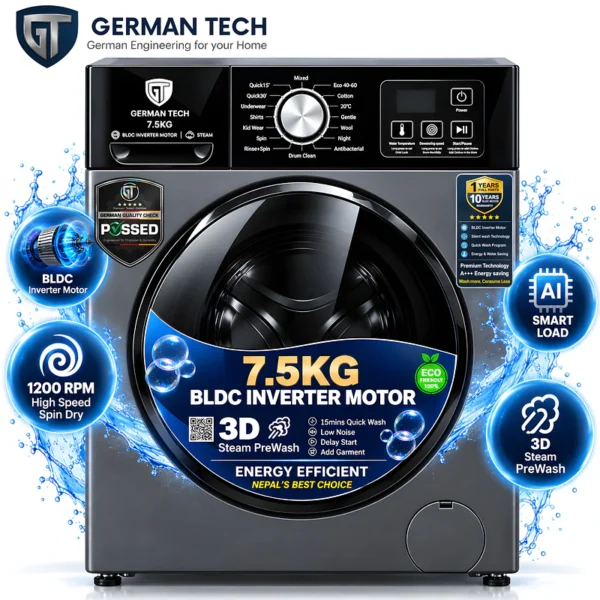
- Capacity 10.5 kg – fits a family of four‑plus comfortably; you can wash full loads of bedding or a week’s worth of clothes without multiple cycles.
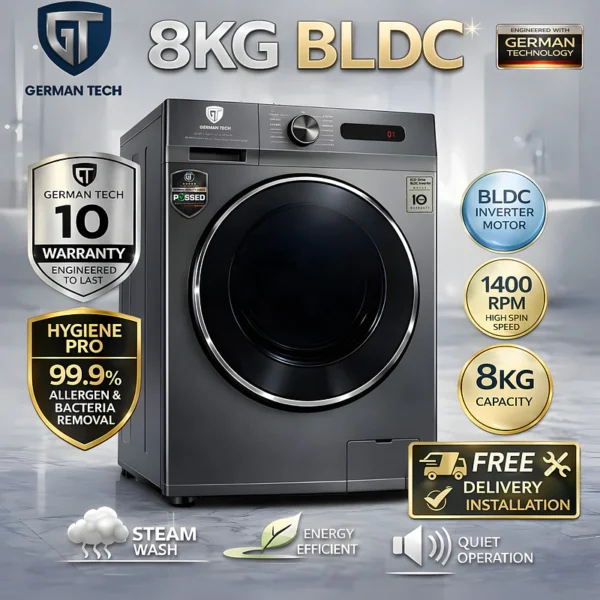
- 1400 RPM spin speed – extracts more water, so drying time is noticeably shorter, a real plus during the monsoon when humidity is high.
- BLDC inverter motor – promises lower electricity consumption and quieter operation; with NEA rates ranging from NPR 3‑11 per kWh, the motor can help keep the monthly bill modest.
- AI SmartLoad sensor – adjusts water and detergent automatically, reducing waste on half‑filled drums.
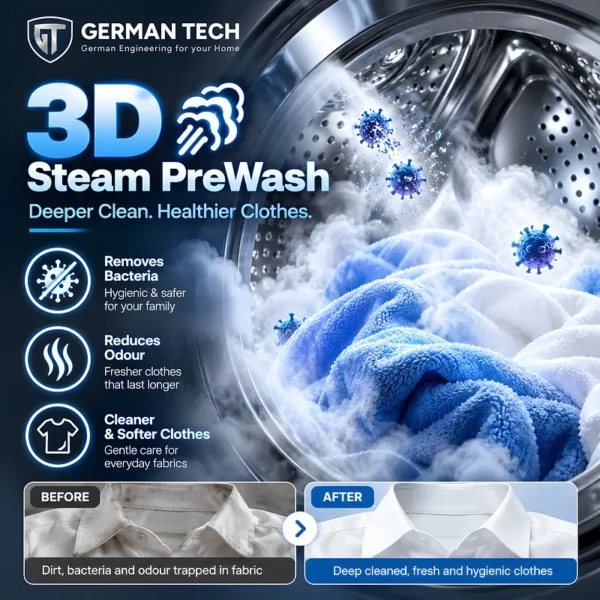
- SteamFusion 3D steam – adds a hygienic wash option for items that need extra care, such as baby clothes or winter blankets.
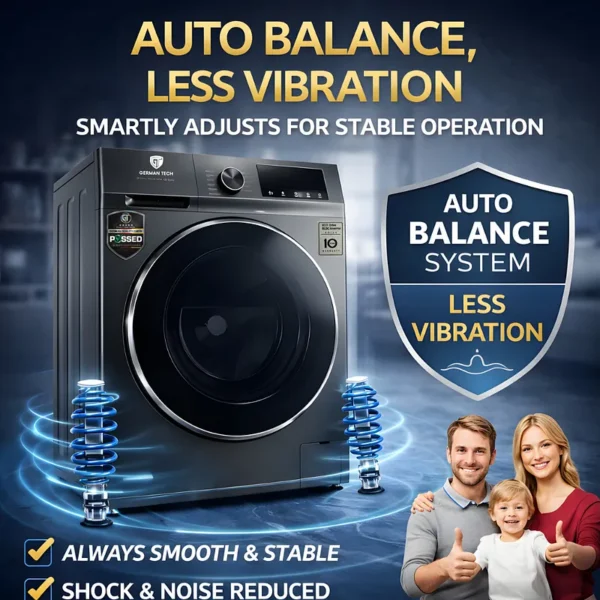
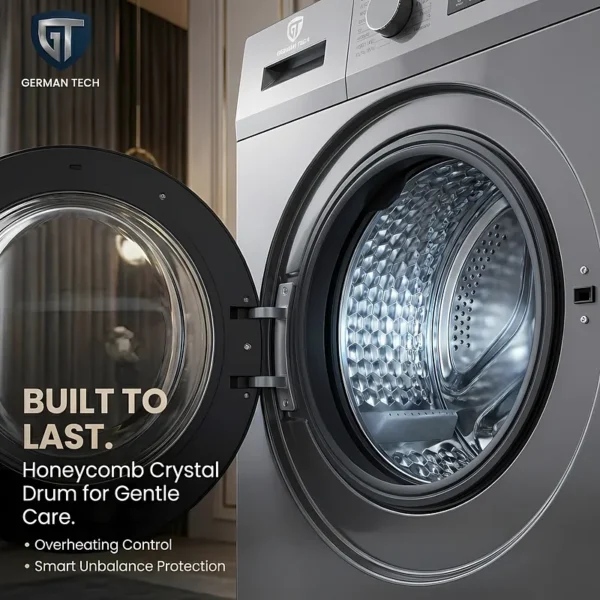
The machine also includes practical extras: a digital LED display with touch controls, an auto‑resume function for frequent power cuts, and a vibration‑guard system that keeps noise down in small flats. Warranty coverage is generous for the motor (10 years) but limited to parts for the first year, so factor in the long‑term reliability of the motor when budgeting.
How much capacity do I really need?
Choosing the right drum size is mostly about how many people live under one roof and what they wash most often. A 10 kg front‑load like the German Tech model comfortably handles the weekly laundry of a family of four‑five, including bulkier items such as blankets, sweaters or a few towels in the same load. If you’re a couple or a single person, you’ll usually fill only half the drum, which means you’ll run more cycles and waste water and electricity.
Typical household match‑ups
- 1‑2 adults: 5‑7 kg drum is usually enough.
- 3‑4 members: 7‑8 kg starts to feel tight when you add kids’ school uniforms or weekend bedding.
- 4‑5 members or frequent guests: 9‑10 kg gives you the flexibility to combine everyday clothes with larger items in one spin.
Remember that the spin speed (1400 RPM on this machine) reduces drying time, so a larger drum won’t leave you waiting for hours to hang wet blankets. If you often wash single‑item loads, consider a smaller capacity to avoid over‑filling the drum and to keep energy use low. In Nepal’s typical power‑cut environment, a machine that can finish a full‑load cycle quickly-thanks to the high spin speed and AI‑controlled load sensing-helps you make the most of the limited runtime.
Why spin speed matters for drying time
A higher spin speed removes more water from the laundry before the final rinse. At 1400 RPM, the German Tech unit extracts roughly twice the moisture that a typical 800‑1000 RPM machine would leave behind. The practical result is a shorter tumble‑dry or line‑dry time-especially useful during the monsoon season when outdoor drying is limited.
Because the motor works harder only during the spin cycle, the extra energy used is modest compared with the savings you get from drying less. A 10‑kg load spun at 1400 RPM may consume about 0.3 kWh for the spin phase, while a lower‑speed machine might need the same amount of electricity for a longer dryer run. With Nepal’s household rates ranging from NPR 3‑11 per kWh, the difference can add up over months, especially for large families that wash weekly.
What to consider when evaluating spin speed
- Drying time – Faster spin = less residual water → quicker indoor or outdoor drying.
- Energy use – The spin motor’s extra draw is small; the bigger saving comes from reduced dryer or iron usage.
- Clothing care – Very high speeds can stress delicate fabrics; look for programs that lower RPM for silk or wool.
If your home often faces power cuts, a high spin speed can also reduce the time the machine needs to run on a generator or UPS, making the 1400 RPM specification a practical advantage rather than a marketing gimmick.
Energy‑saving motor technology explained
The German Tech GTWM1005‑W109BLC uses a brushless‑direct‑current (BLDC) inverter motor, a technology that sets it apart from the older AC‑induction motors found in many budget models.
A BLDC motor runs on a permanent magnet rotor and an electronic controller that adjusts the frequency of the power supply. Because there are no brushes to wear out, the motor stays efficient for many years – the brand backs it with a 10‑year motor warranty. In daily use this means fewer breakdowns and lower maintenance costs, which is especially valuable in Nepal where power cuts can stress a motor that is constantly starting and stopping.
Quietness comes from the motor’s smooth, brush‑free rotation and the VibrationGuard shock‑absorption system. Even at the maximum 1400 RPM spin speed, the machine operates at a whisper‑low level, so you can run it overnight in a small flat without disturbing neighbors.
The biggest practical benefit is electricity savings. The inverter can vary its speed to match the load, drawing only the power needed for each wash cycle. With NEA rates ranging from NPR 3 to NPR 11 per kWh, a typical 1‑hour wash on an energy‑saving setting can cost as little as a few rupees, compared with a conventional motor that may use up to 30 % more energy for the same load.
What to look for in a motor when you’re deciding:
- Durability: Brushless design → longer life, backed by motor warranty.
- Noise level: Low dB rating, especially important for apartments.
- Energy consumption: Inverter control → lower kWh per cycle, translates to lower bills over the machine’s lifespan.
If quiet operation and long‑term electricity cost are priorities, a BLDC inverter motor like the one in this German Tech model is a solid criterion to weigh against price alone.
Featured Product
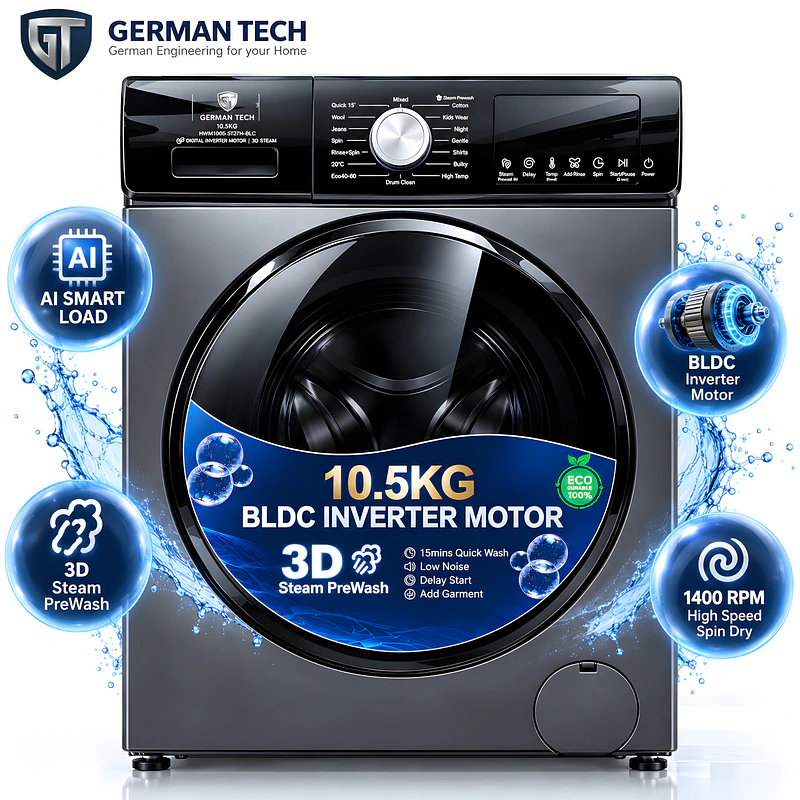
German Tech 10.5 KG Heavy Duty tempered glass Front Loading Washing Machine – GTWM1005W109BLC
What extra features are worth paying for?
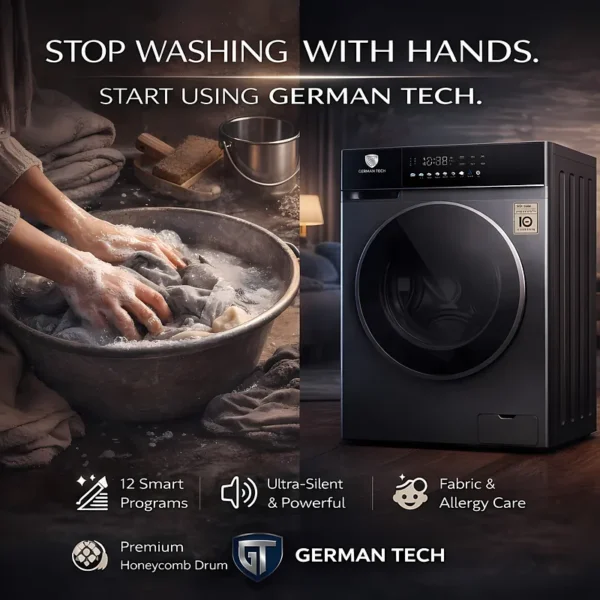
AI load‑sensing is the most practical extra. The German Tech’s SmartLoad uses fuzzy weighing to adjust water, detergent and cycle length automatically. In a typical Nepali household this means you can drop a mixed load of t-shirts, blankets and socks without worrying about over‑watering or wasting detergent, saving both water and electricity.
Steam wash is another feature that pays off when you have to remove stubborn stains or disinfect children’s clothing. The 3‑D SteamFusion pre‑wash injects steam during the cycle, loosening dirt at the fiber level. For families that travel or have a child with a rash, the steam option reduces the need for chemical detergents and shortens the overall wash time.
Temperature control via HygieneHeat lets you pick a 20 °C wash for delicate fabrics and up to 80 °C for heavy, soiled items. This flexibility is useful during the monsoon when you might need a deeper clean for wet laundry, or during winter when you want to sanitize blankets without damaging wool.
The auto‑resume function is a lifesaver in Kathmandu’s frequent power cuts. If electricity stops mid‑cycle, the machine remembers the point of interruption and restarts automatically when power returns. This avoids the hassle of re‑starting a cycle and the risk of fabric damage from sudden stops.
Overall, these features add real convenience: less manual adjustment, better cleaning, and resilience against Nepal’s power interruptions. For families that value time and energy savings, paying a bit extra for AI sensing, steam, temperature settings and auto‑resume is worth it.
Budget vs. long‑term cost in Nepal
The upfront price of the German Tech 10.5 kg front‑load is NPR 69,990 down from the regular NPR 98,422. That’s a solid discount, but the real decision point is how the machine’s operating cost compares to its lifespan.
Electricity cost
The machine runs on a BLDC inverter motor, which is rated for high efficiency. A 1400 RPM spin cycle pulls about 0.8 kWh per wash on average. At a typical NEA rate of NPR 5 per kWh, each load costs roughly NPR 4. If you wash 10 loads a week, that’s about NPR 40 per week or NPR 1,600 per month. Over five years, electricity alone will run you around NPR 96,000.
Durability and warranty
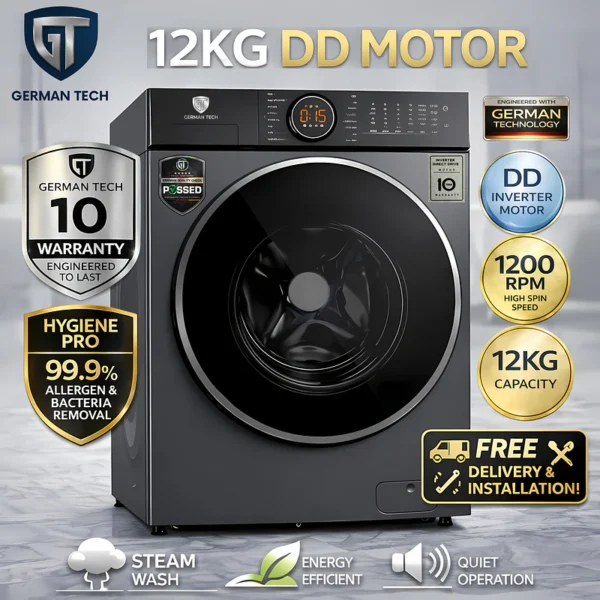
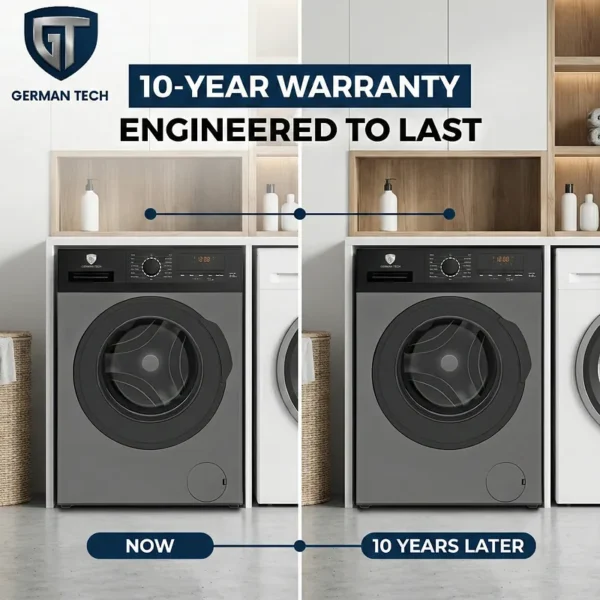
German Tech offers a 10‑year motor warranty and a 1‑year full parts warranty. The inverter motor’s lower wear means fewer repairs, which can add up over time.
Balancing the numbers
- Upfront cost: NPR 69,990
- Estimated 5‑year operating cost: NPR 96,000
- Total 5‑year cost: ~NPR 165,990
- Average annual cost (including electricity): ~NPR 33,000
If you compare this to a cheaper model that might cost NPR 30,000 but has a 5‑year motor warranty and a higher energy draw (say 1.2 kWh per load), the total 5‑year cost could be similar or even higher when you factor in potential repairs and higher electricity use.
So, when deciding, ask yourself:
- How many loads will you run each week?
- What is your local electricity tariff?
- Do you value a longer motor warranty and lower maintenance risk?
For most Nepali households, the German Tech’s higher upfront price is offset by lower operating costs and a longer useful life, making it a sensible long‑term investment.
Where the German Tech model fits the criteria
The German Tech 10.5 kg front‑load aligns closely with the core criteria most Nepali families look for. Its 10 kg capacity is a sweet spot for households that need to wash blankets, school uniforms, or a couple of sets of clothes at once-larger than a 5 kg machine but still manageable in a typical 10 m² flat. The 1400 RPM spin speed means clothes come out drier, cutting the time you spend hanging them and reducing the need for a tumble dryer, which is valuable when power cuts are frequent.
Energy efficiency is handled by the BLDC inverter motor. It runs quietly, uses less electricity, and its longevity is backed by a 10‑year motor warranty-far longer than the standard 5‑year offer from many local brands. This warranty translates into lower maintenance costs over the appliance’s life, a critical factor when electricity bills can reach NPR 11 per unit during peak months.
AI SmartLoad takes the guesswork out of load sizing. The fuzzy‑weighing sensor adjusts water and detergent automatically, preventing waste. In a country where water can be scarce during the monsoon, this feature saves both water and money. The built‑in steam function (SteamFusion 3D) adds an extra layer of cleanliness, which is handy for families with young children or for removing stubborn stains from school clothes.
Overall, the German Tech 10.5 kg front‑load checks every box: enough capacity for a small to medium household, high spin speed for quicker drying, an energy‑saving motor with a long warranty, and smart features that reduce daily chores and utility bills.
This guide is part of our Washing Machine in Nepal: Complete Buying Guide, Prices & Best Models (2026). Related reading: 8 kg vs 9 kg Washing Machine: Which Capacity Is Best for Your Family in Nepal? and BLDC vs Direct Drive Washing Machine: What's the Difference & Which Is Better? .
Frequently Asked Questions
Do you deliver all over Nepal?
Yes, Nova Hub delivers all over Nepal, with free delivery on this product.
Is Cash on Delivery available?
Yes, Cash on Delivery options are available. All payments made are 100% secure.
Is there a warranty on the German Tech 10.5 KG Heavy Duty tempered glass Front?
Yes. The German Tech 10.5 KG Heavy Duty tempered glass Front comes with a brand warranty listed as 10 years: 1 Year Full Parts / 10 Year Motor Warranty / No warranty on physical damage / animal damage / misuse and tampering of product. Change-of-mind returns are not applicable.
Is a 10.5 kg front‑load washing machine suitable for a family of four?
Yes. The 10.5 kg capacity can handle typical family loads, including bulky items and blankets, making it practical for a household of four. Its front‑load design and 1400 RPM spin speed help keep drying times short.
How much will the BLDC inverter motor lower my electricity bill?
The BLDC inverter motor is energy‑saving, but exact savings depend on local NEA rates (NPR 3-11 per kWh). Use the machine’s efficient cycles and check your bill to estimate the reduction in power usage.
Can the AI SmartLoad sensor handle mixed fabrics without manual adjustments?
Yes. The AI SmartLoad fuzzy‑weighing technology automatically adjusts water, detergent, and cycle settings for mixed fabrics, eliminating the need for manual load balancing.
See the German Tech 10.5 KG Heavy Duty tempered glass Front on Nova Hub.
Shop All Washing Machines Products